We will build more data center capacity in the next three years than we have in the last thirty. Digital infrastructure has increased global capacity from 105GW in 2024 to 373GW in 2026. This aggregated total includes 71GW of live capacity, 22GW under construction and a staggering 280GW in the development pipeline. These data centers will be filled with more computer hardware than at any time in history. This rapid growth is causing component shortages, increasing lead times and higher prices in every portion of the global supply chain from electrical and mechanical equipment to IT servers, racks, network switches, GPUs, memory and storage devices. At least one of these constraints, storage devices, seems to be self-inflicted. Outdated data protection policies require the destruction of storage devices after one use, increasing production for new storage devices which drive up prices and lead to premature waste measured in tens of thousands of metric tons every year. The IT Asset Disposition (ITAD) industry has faced this dilemma for decades. Clients’ rigid, security-first policies mandate physical shredding of drives post-wipe to prove zero data-leak risk. This locks ITAD providers into high-volume, low-margin destruction workflows that clash with rising sustainability mandates and supply-chain economics.


ABOUT THE AUTHOR
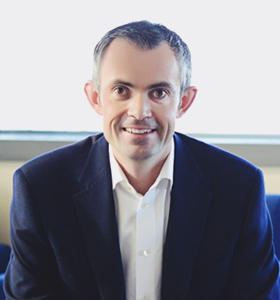
Dean Nelson is CEO of Cato Digital and the Founder and Chairman of Infrastructure Masons. His 36-year career includes leadership positions at Sun Microsystems, Allegro Networks, eBay, PayPal, and Uber. Nelson has deployed ten billion USD in digital infrastructure across four contents.
Since its founding in 2016, iMasons has amassed a global membership representing over 1.5 trillion USD in infrastructure projects spanning 130 countries.